


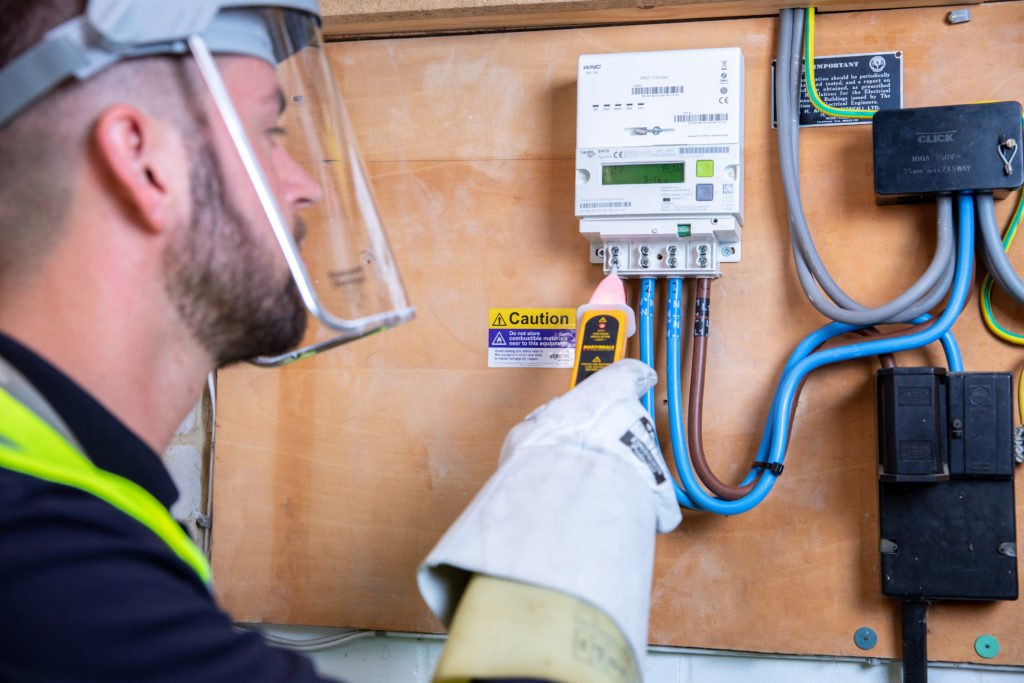
New Ministry of Housing guidance has reminded landlords that new electrical safety regulations apply to all new tenancies from 1 July 2020 and to existing tenancies from 1 April 2021.
The Electrical Safety Standards in the Private Rented Sector Regulations 2020 require landlords to have the electrical installations in their properties inspected and tested by a person who is qualified and competent, at least every five years. They must also provide a copy of the report (known as the Electrical Safety Condition Report or EICR) to tenants, and to the local authority if requested. Should the EICR require investigative or remedial works, landlords will have to carry this out.
‘The majority of landlords are proactive when it comes to ensuring the safety of their tenants and make a welcome contribution to the housing market. But a minority fail to do so, putting their tenants in danger as a result’, declares the guidance.
The new regulations mean ‘all landlords now have to do what good landlords already do: make sure the electrical installations in their rented properties are safe’.
Landlords of privately rented accommodation, including houses in multiple occupation, must:
- Ensure national electrical safety standards set out in the 18th edition of the ‘Wiring Regulations’ (British Standard 7671) are met.
- Ensure the electrical installations in their rented properties are inspected and tested by a qualified and competent person at least every 5 years.
- Obtain a report from the person conducting the inspection and test which gives the results and sets a date for the next inspection and test.
- Supply a copy of this report to the existing tenant within 28 days of the inspection and test.
- Supply a copy of this report to a new tenant before they occupy the premises.
- Supply a copy of this report to any prospective tenant within 28 days of receiving a request for the report.
- Supply the local authority with a copy of this report within 7 days of receiving a request for a copy.
- Retain a copy of the report to give to the inspector and tester who will undertake the next inspection and test.
- Where the report shows that remedial or further investigative work is necessary, complete this work within 28 days or any shorter period if specified as necessary in the report.
- Supply written confirmation of the completion of the remedial works from the electrician to the tenant and the local authority within 28 days of completion of the works.
Inspectors will look specifically t find out if any electrical installations are overloaded, if there are any potential electric shock risks and fire hazards, if there is there is any defective electrical work, and if there is a lack of earthing or bonding.
Three codes will be used to indicate the degree of risk and immediacy associated with any remedial work found to be necessary.
Code 1 is reserved for the highest level of urgency, indicating a present danger with risk of injury. In such instances the electrical inspector may make any C1 hazards safe before leaving the property.
Code 2 indicates a potential danger with the possibility of further investigative work being required without delay. Code 3 will indicate remedial work is not required but that improvements are recommended.
If codes C1 or C2 are identified in on the report, remedial work will be required. The report will conclude that the installation is unsatisfactory for continued use. If an inspector concludes further investigative work is required, the landlord must also ensure this is carried out.